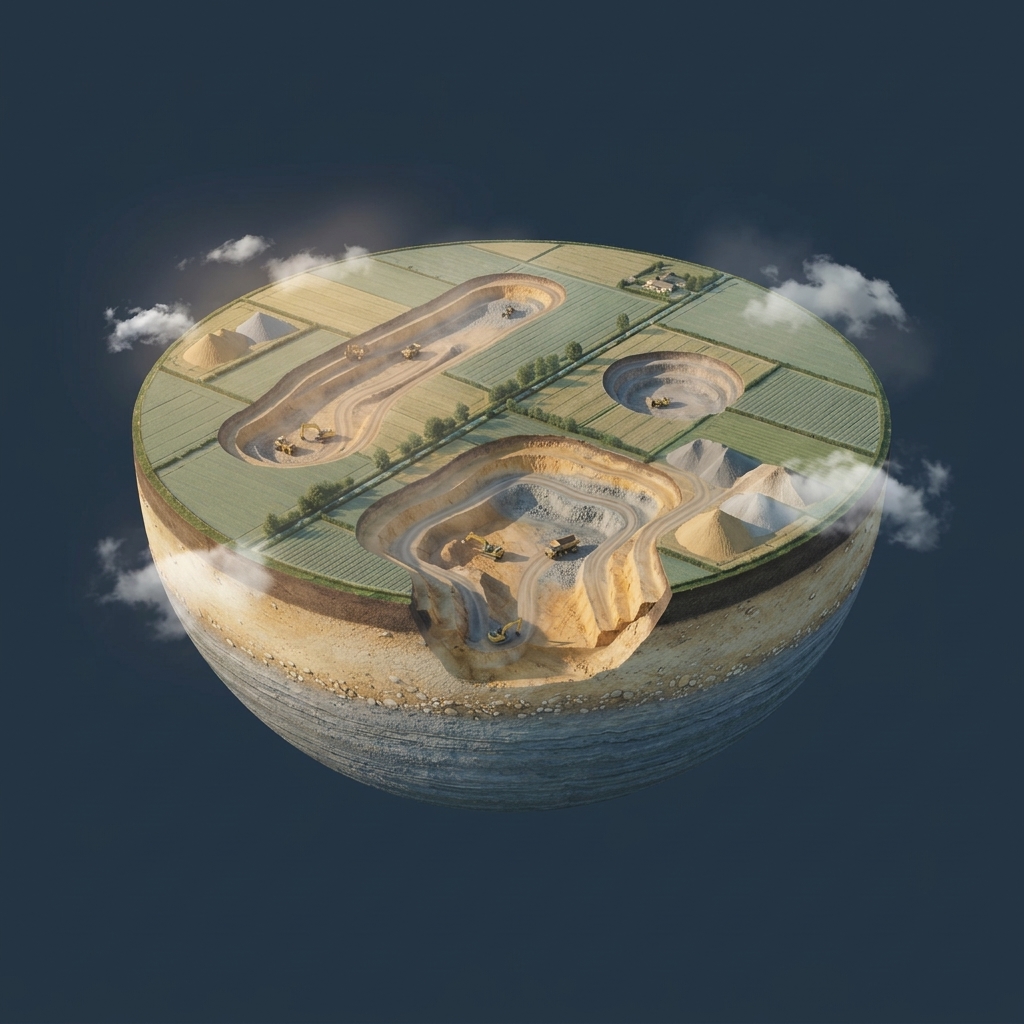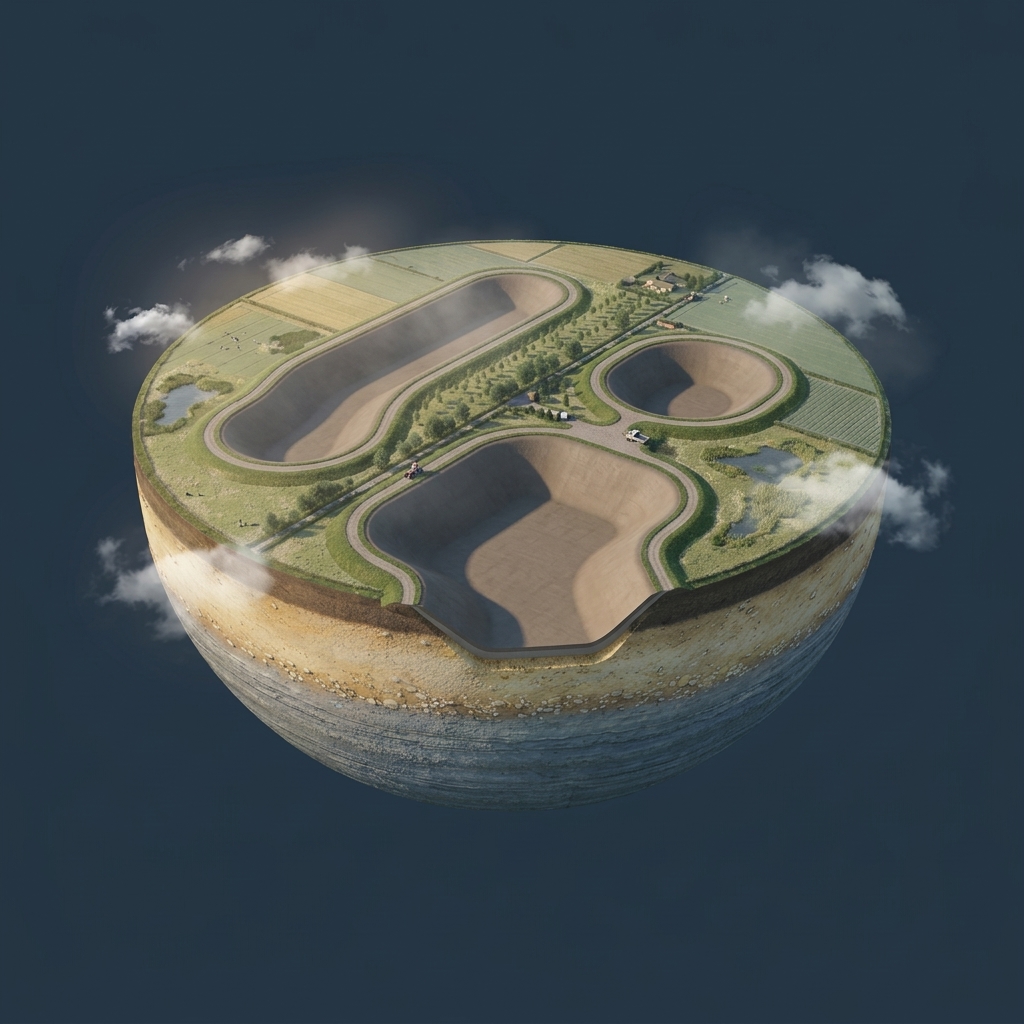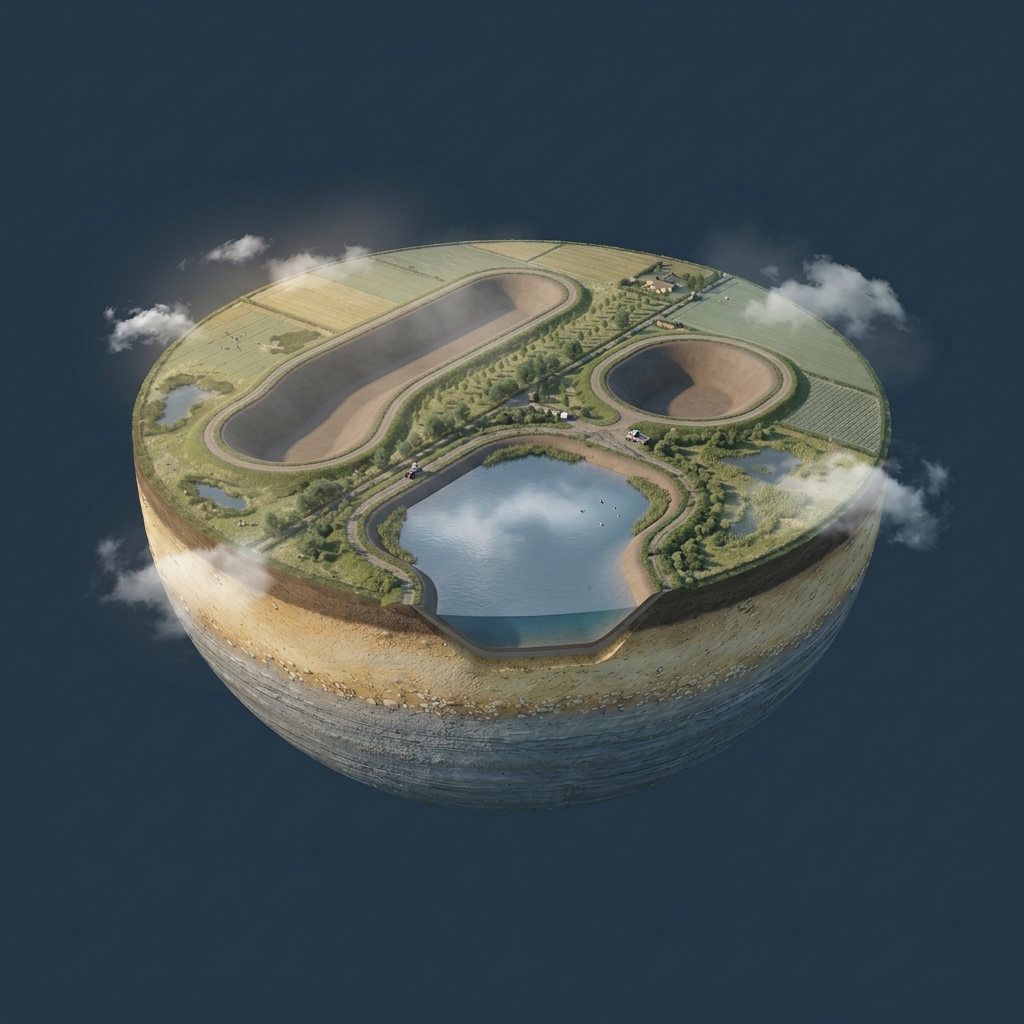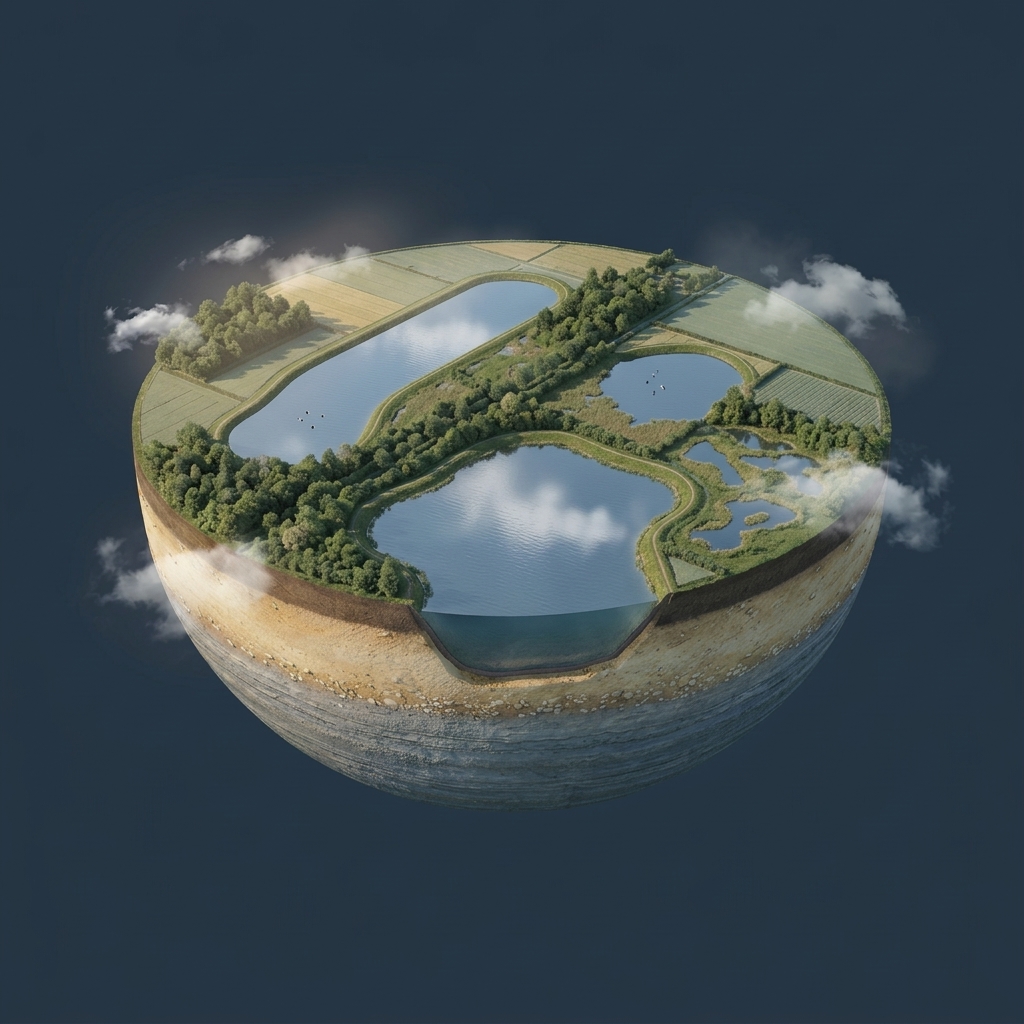
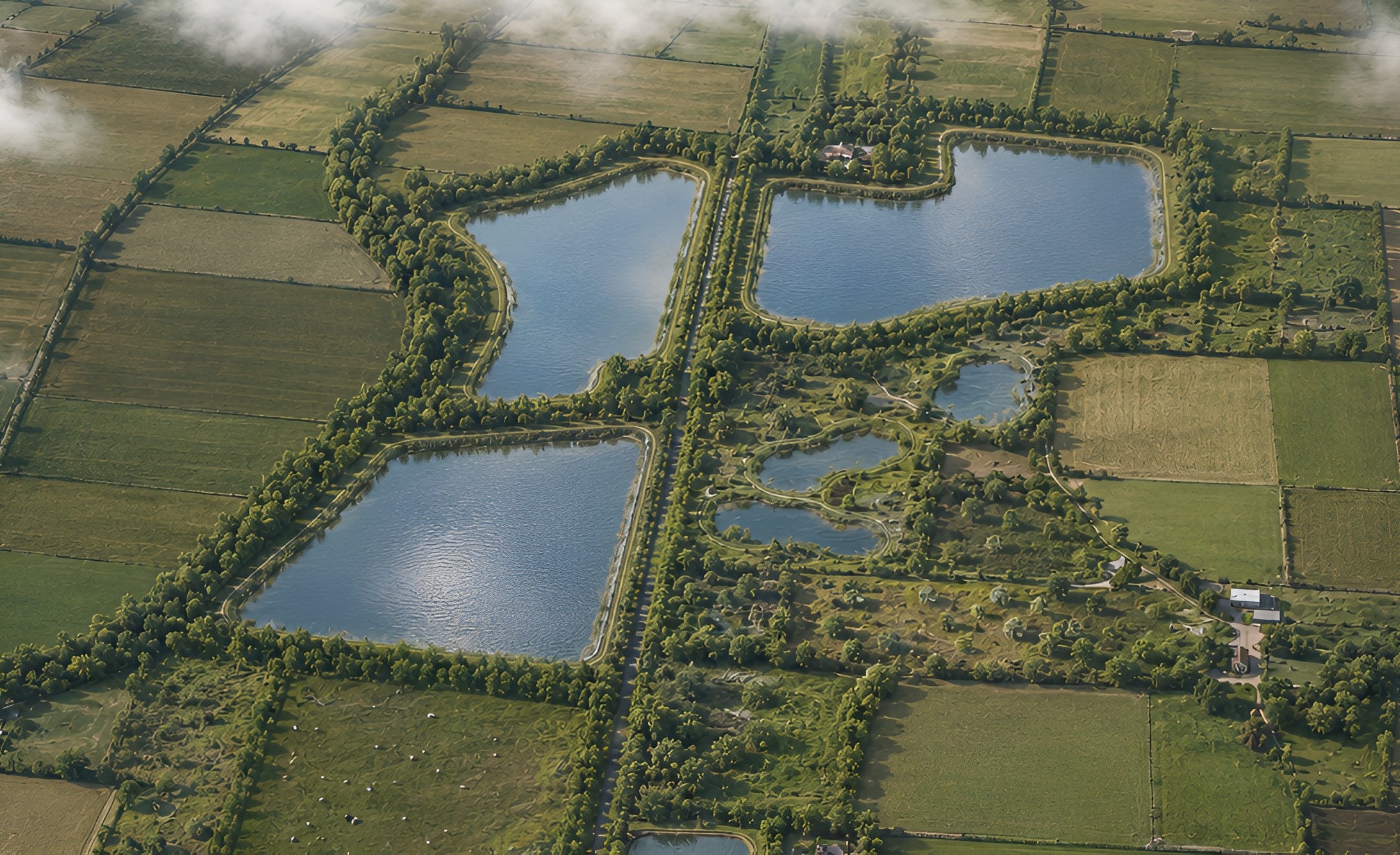
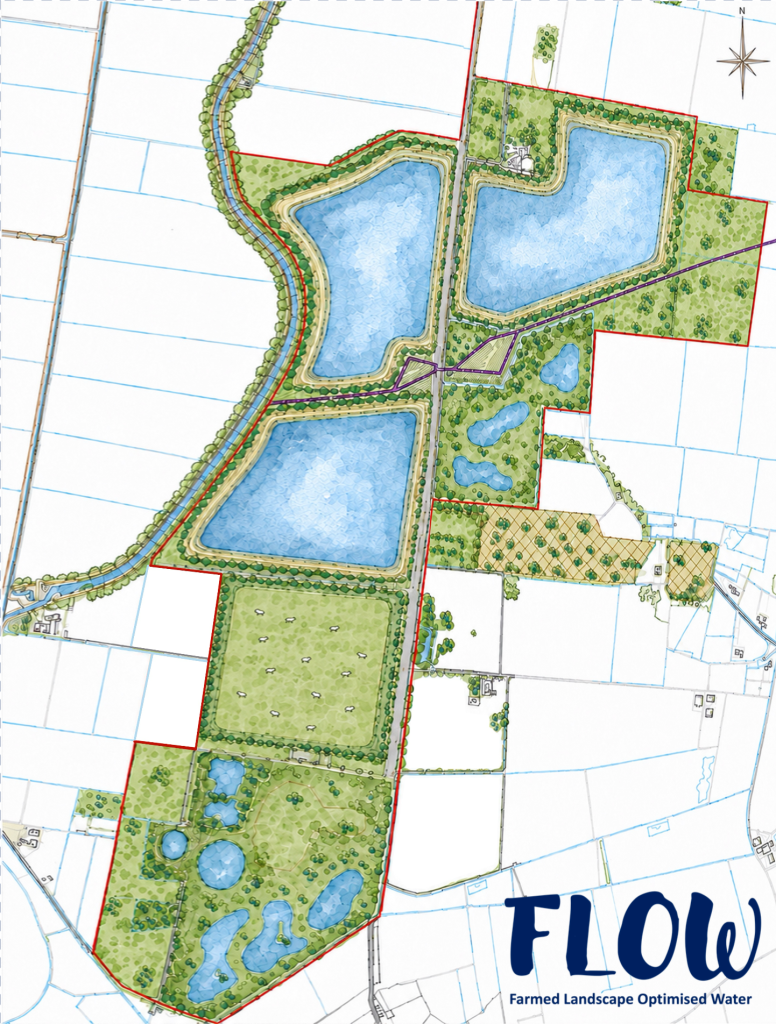
Artist's impression of the Harvester & Cove Farm Reservoir

Harvester & Cove Farm Reservoir

The first from a pipeline of projects

The Harvester & Cove Farm Reservoir intercepts peak flows in the Idle and Torne catchment, reducing downstream flood risk for local communities during high-rainfall events. By managing and slowing water before it reaches vulnerable areas and reduces the overall cost of pumping during those periods.
Alongside flood defence, FLOW in collaboration with Lincolnshire Wildlife Trust delivers over 200 hectares of enhanced biodiversity. Reed and willow planting will create new wetland habitats, supporting birds, invertebrates, and other wildlife dependent on these increasingly rare ecosystems. This will be directly supporting Sites of Special Scientific Interest (SSSIs) that are currently in “unfavourable” conditions.

Idle & Torne Catchment

A catchment under pressure

The River Idle & Torne Catchment is recognised by the Environment Agency as one of four priority catchments facing flooding, over-abstraction and water quality issues.

The EA's climate change predictions for the catchment by 2050:

34%
less rainfall in the summer
DECREASE
29%
more rainfall in the winter
INCREASE
65%
lower river flows in dry periods
30%
higher peak river flows

Source: Environment Agency climate change predictions for the Idle & Torne Catchment, 2050.

Project timeline

Harvester & Cove Farm Reservoir

Scroll to follow the reservoir from planning to full scheme
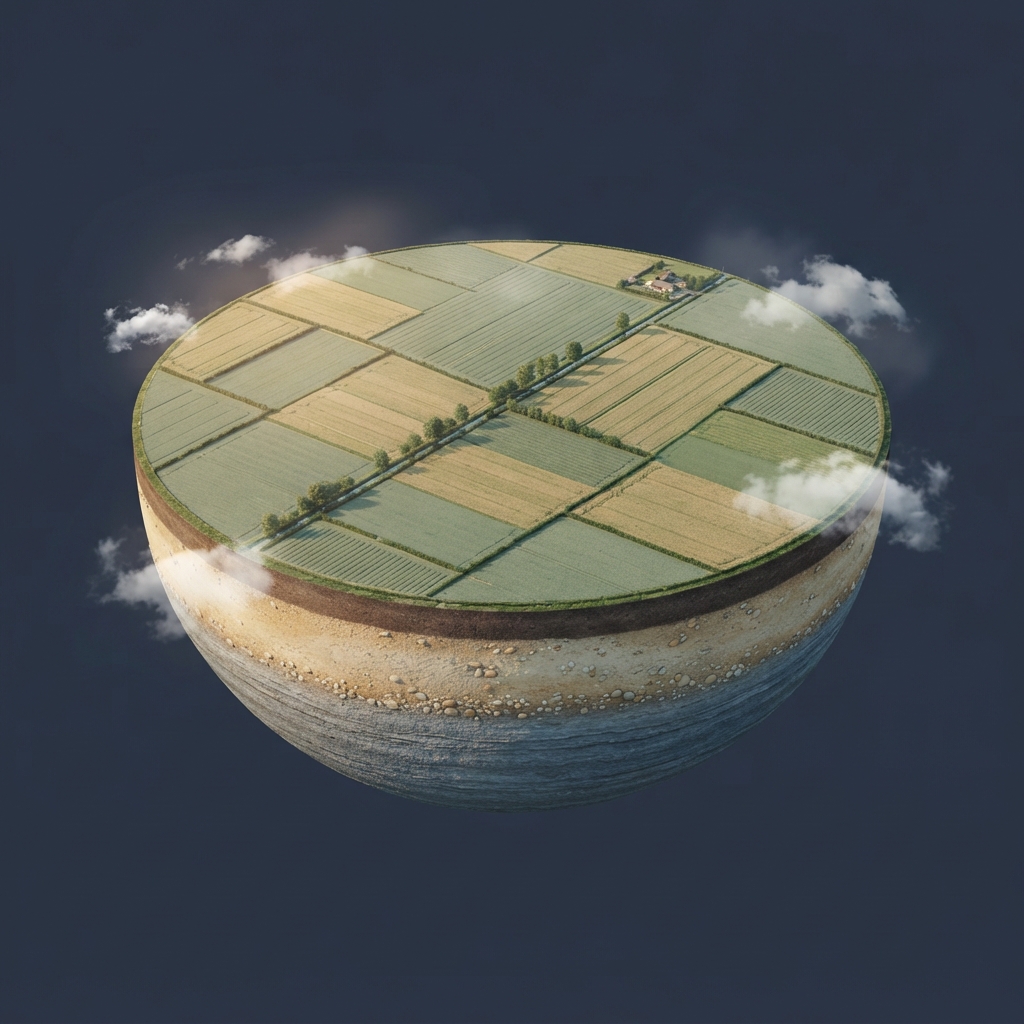
Flat farmland before construction Excavation underway with diggers and stockpiles Empty lined reservoir basin with new habitats Reservoir partly filled with first water Full reservoir surrounded by mature habitats
OCTOBER 2026
Planning submitted

Application submitted to North Lincolnshire Council. Today the site is flat, farmed land.

We are here
2027
Construction begins

Excavation of glacial drift and mudstone begins, following planning determination.

FIVE PHASES
Phased delivery

Reservoir lined and engineered, with neighbouring land restored to habitats and farmland.

2032
First water

First water available to farmers, industry and the environment, subject to planning.

FULL SCHEME
11 million m³

Approximately 11 million cubic metres of stored water, framed by mature wetland habitats.

1 / 5

Frequently Asked Questions

The project and its purpose

Harvester & Cove Farm Reservoir is a proposed water infrastructure project designed to store water for use when it is needed. The proposal brings together three interconnected below-ground lakes, construction and landscape restoration, with a primary focus on supporting food production and agriculture.

James Brown is leading Harvester & Cove Farm Reservoir, drawing on his farming and land-management experience. The project is being brought forward by Farmed Landscape Optimised Water Ltd.

Water is not always available when it is most needed. The Harvester & Cove Farm Reservoir aims to capture and store water during periods of higher winter flows, helping reduce the risk of winter flooding for local communities while securing water for agriculture during drier months. This will help protect homes and livelihoods and build greater resilience in farming and food production.

The site near Epworth has been selected for its geology, location and relationship with the local drainage network. These features underpin the proposed approach to storing water and making it available for later use.

Water, farming and the environment

Food production and agriculture are the principal focus. The proposed water storage could also support environmental and industrial uses. Supply to individual users would depend on the necessary connections, permissions and agreements.

The proposal is to capture water during higher winter flows in the Idle and Torne catchment. The way water is captured, stored and supplied would be subject to the relevant permissions and operating requirements.

The approach would be tailored to the user and the stage of the project. It would require suitable connections and supply arrangements. The project team can provide more information about proposed arrangements in response to a written enquiry.

The proposals include landscape restoration and habitat creation, including woodland, wet grassland and wetland areas. FLOW also aims to support environmental water needs. The detailed measures and their delivery would be set out in the project and application documents.

Building and funding the infrastructure

The reservoirs would be developed in phases, coordinating excavation, reservoir engineering, material reuse and landscape restoration. The programme would be subject to the necessary permissions and detailed delivery arrangements.

Suitable excavated materials would be reused for engineering and restoration. Sale of suitable materials, including sand and gravel, is intended to help fund delivery of the water infrastructure. Material reuse, sales and restoration form part of the proposed construction approach.

The proposed route has been selected to avoid built-up areas where practicable and provide access to the main road network. Construction would be phased, so traffic levels would vary with the activity taking place. The detailed route and traffic assessment would be available in the application documents once published.

Delivery would take place in phases and depends on the necessary permissions and construction arrangements. Confirmed milestones will be shared when available. The full scheme would not all become operational at once.

Planning and getting in touch

Once the application is published, its documents and consultation information can be viewed on North Lincolnshire Council’s planning portal. The FLOW team can help you identify the relevant application through a written enquiry. Planning approval should not be assumed.

Please use the contact form on this website to send your question in writing. Include your name, contact details and the information you would like to receive. This helps us direct your enquiry to the appropriate person and provide a clear written response.

Please follow the instructions and any consultation deadline shown with the application on the council’s planning portal. A question sent to FLOW is an enquiry to the project team; it does not count as a formal planning representation to the council.

Please use the website contact form and identify your message as a press enquiry. Include your publication or programme, your questions, contact details and deadline so it can be directed to the appropriate person.

Contact Us

Messages to FLOW are enquiries to the project team. They are not formal comments on the planning application, which should be made through North Lincolnshire Council's planning portal.